Existing Pylon Lines
Although not a project as such, the existing pylon lines in Wales are worth some attention. Understanding the geography and purpose of the major operational power lines is valuable when reviewing proposals for building new lines. This mainly involves the long distance transmission lines owned and operated by NGET. Many of these have planned refreshment or upgrade projects, along with new or upgraded substations.
We also consider that in certain locations the potential possibility of removing the pylons should be given greater consideration. That applies to both the transmission lines and overhead cables used for the distribution network.
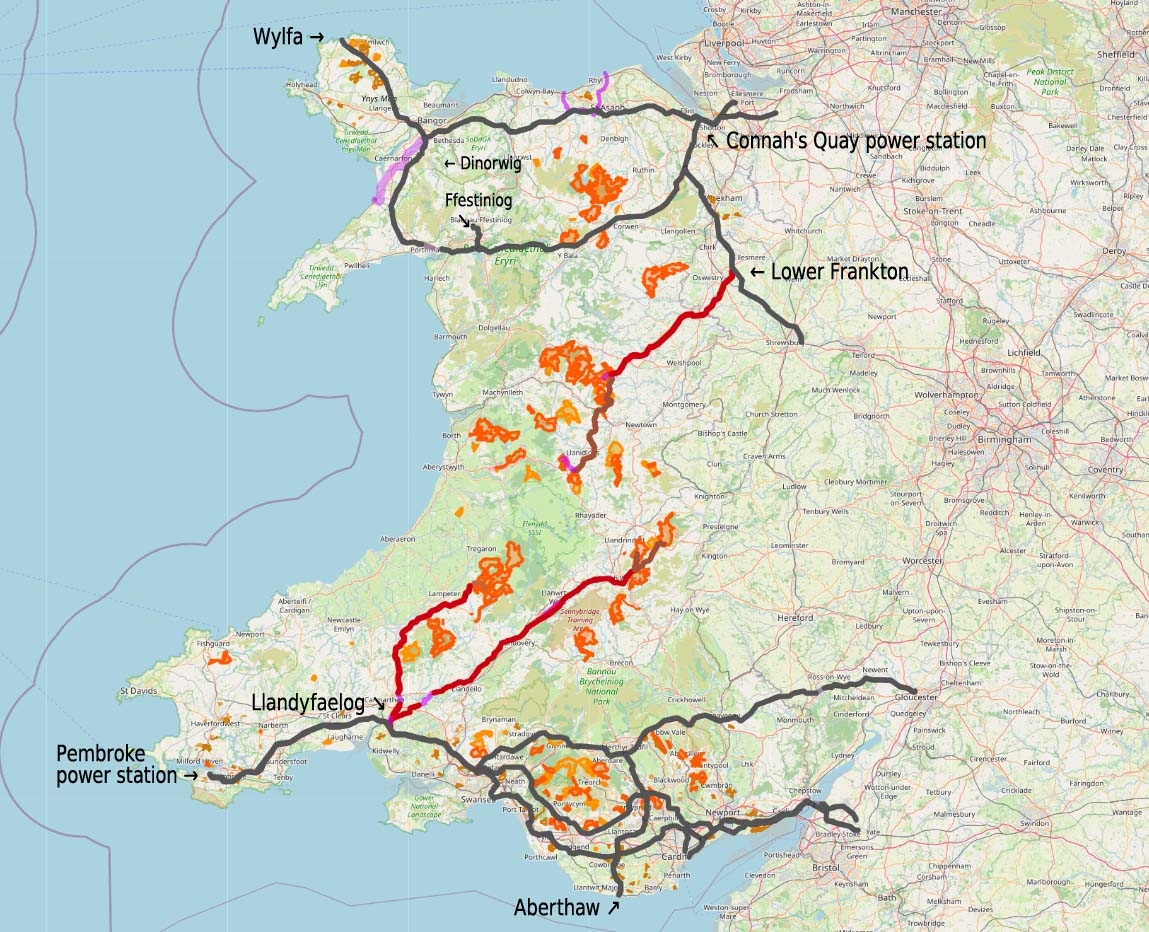
National Grid's transmission network in Wales consists largely of lines running across the North and South. There are no transmission lines in mid Wales, with electricity being supplied entirely though the lower power distribution network. The transmission lines connect directly through to the wider UK grid.
The existing transmission lines and their pylons can be shown on our interactive map by selecting from the layer menu. Distribution lines are not shown in the layer but all are visible on the OSM base map. For more detail we recommend consulting the excellent Open Infrastructure Map.
Interestingly, the electricity transmission network pattern closely resembles the major road and rail links with England. This pattern has been recently cited as indicative of the "extractive economy" that has prevailed historically in Wales. Natural resources have been exploited with considerable profit going outside of Wales, while the source regions remain notably poor. This appears to be continuing into the future with renewable energy production. Wales already generates more power than is consumed, the excess being exported to England. Official figures for 2025 give total electricity generated at 23.2TWh, of which 8.4TWh was exported.
The NGET transmission lines are 400kV and some of 275kV in South Wales. They typically use the larger type pylons up to around 50m tall and are generally double circuit carrying six conductor wires.
The distribution network connects either via the transmission substations or otherwise directly to the power generation sources. There are currently two distribution providers for Wales, National Grid Electricity Distribution (NGED) and SP Energy Networks. The lines are 132kV or less, with 66kv and 33kV being common. Local area cables that supply domestic and business properties are predominantly 11kV. As examples, Aberystwyth, Welshpool and Newtown have 132kV supply, Brecon, Builth Wells and Rhyader are on 66kV lines, while Llandeilo, Llandovery and Machynlleth have 33kV connections. The lines may be carried on the smaller type steel lattice pylons or wood poles, with single or double wood poles being very common in mid Wales.
Notable Locations
Llandyfaelog and Lower Frankton are the proposed sites for completely new large substations. These would be the grid connection points for the new pylon lines by Green GEN Cymru.
Pembroke Power Station is an operational gas turbine power plant producing an output of 2,281MW. The operator is RWE Generation UK. It has a number of grid connections including two closely parallel 400kV pylon lines running east to Swansea and continuing to England. It is also a terminal connection point for the operational Greenlink interconnector cable between Wales and Ireland, running underground and sub-sea.
Connah's Quay Power Station is an operational gas-fired power plant producing 1,380MW. The operator is Uniper UK. It replaced the previous coal-fired power station, now demolished, and is located on the 400kV lines running through North Wales. Further 400kV lines provide connections to North-East England.
Dinorwig and Ffestiniog are hydro-electric power plants using pumped water storage. Dinorwig has a peak output of 1,728MW and Ffestiniog of 360MW. The pumped storage system is important due to the ability to provide rapid power supply in response to short-term changes in demand.
Wylfa in Ynys Môn is a nuclear power station now closed and in the process of decommissioning. However, it has now been put forward as the site for a new nuclear plant using SMR's (Small Modular Reactors) made by Rolls Royce. Plans are at an early stage and are highly controversial.
Aberthaw was the site of a coal-fired power station and adjacent bio-mass plant, now decommissioned. The site has been purchased by Cardiff Capital Region (CCR) who have proposed it as a possible location of a tidal power lagoon. The project is currently at a very early stage and subject to feasibility studies.
Removal of Existing Pylons?
Existing high-voltage pylon lines are part of the Critical National Infrastructure and therefore it is unrealistic to expect any major change to the overhead routes. However, we feel there are locations where the possibility of burying the power cables underground should be given greater consideration, enabling at least some pylons to be removed.
There is a precedent for this, the Visual Impact Provision scheme was introduced in 2021 with agreement between National Grid and Ofgem, setting a substantial budget for the mitigation of existing power lines in sensitive landscape areas. This resulted in under-grounding projects that removed pylons in the New Forest, Dorset, the Peak District and near Porthmadog in Eryi National Park. Unfortunately some other suggested areas were excluded. We believe this approach could be taken much further.
For overhead distribution lines, supported with either pylons or wood poles, there is possibly an even stronger argument for putting then underground whenever possible. During unusually bad weather, which seems to occur more often these days, the distribution network in rural areas is notoriously prone to damage and the resulting power cuts are increasingly common. With good engineering, underground cables offer much better protection from severe weather events.
The main obstacle for replacing existing overhead lines with underground cables is always given as cost. But even if the cost-benefit is intangible, it should not be the over-riding factor. The landscapes of Wales are its primary asset and deserve to be protected regardless of expense. The electricity companies are huge and make enormous profits for their investors.
Many lines are subject to refreshment or upgrade projects, providing the ideal opportunity to review options for running the cables underground.
In all cases, routing cables underground needs careful investigation of the environmental impacts, which are a far more important consideration than costs.
A few examples:
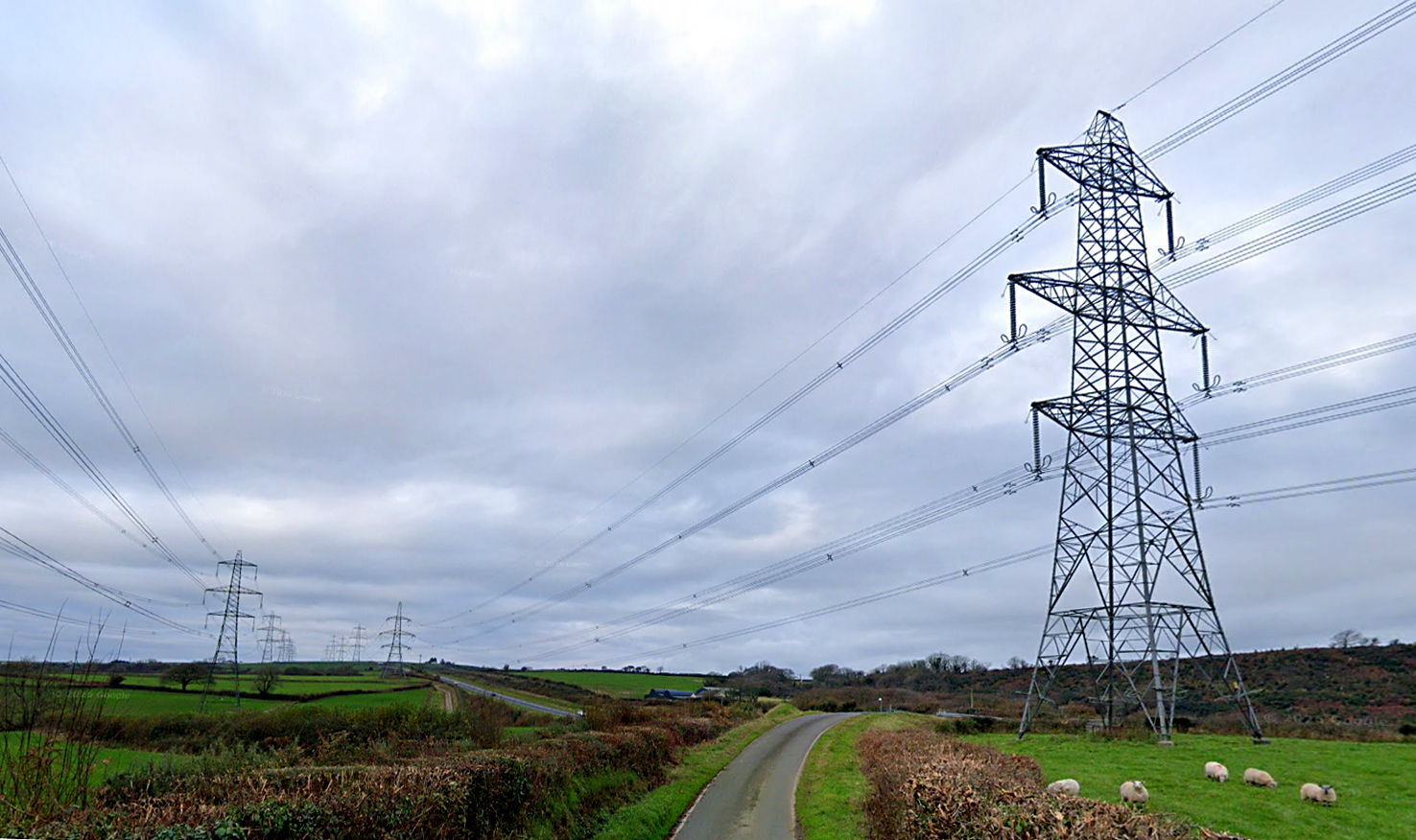
Near Llanddowror, Carmarthenshire
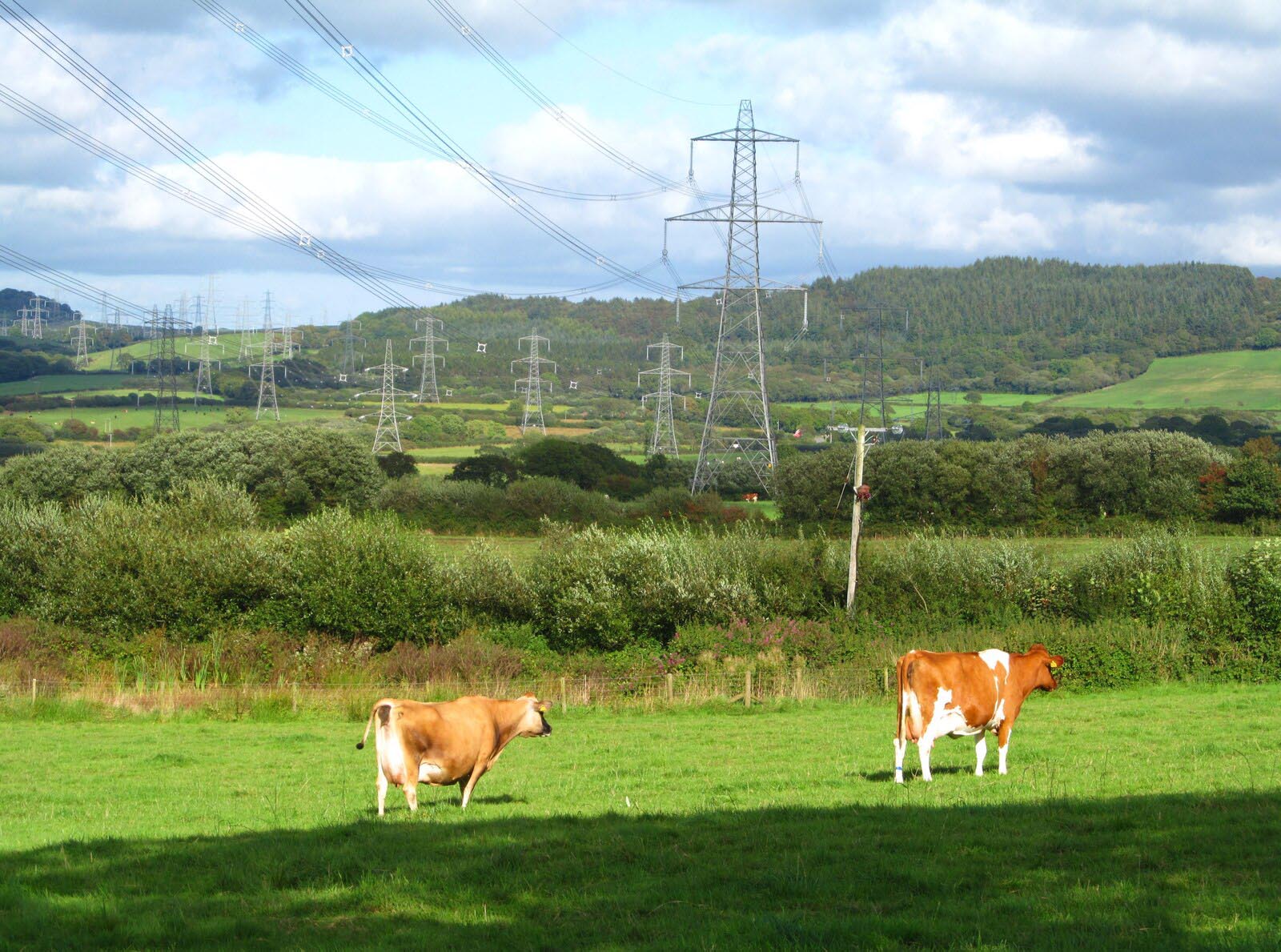
Trefenty Farm, St Clears, Carmarthenshire
© Gordon Hatton CC-by-SA/2.0
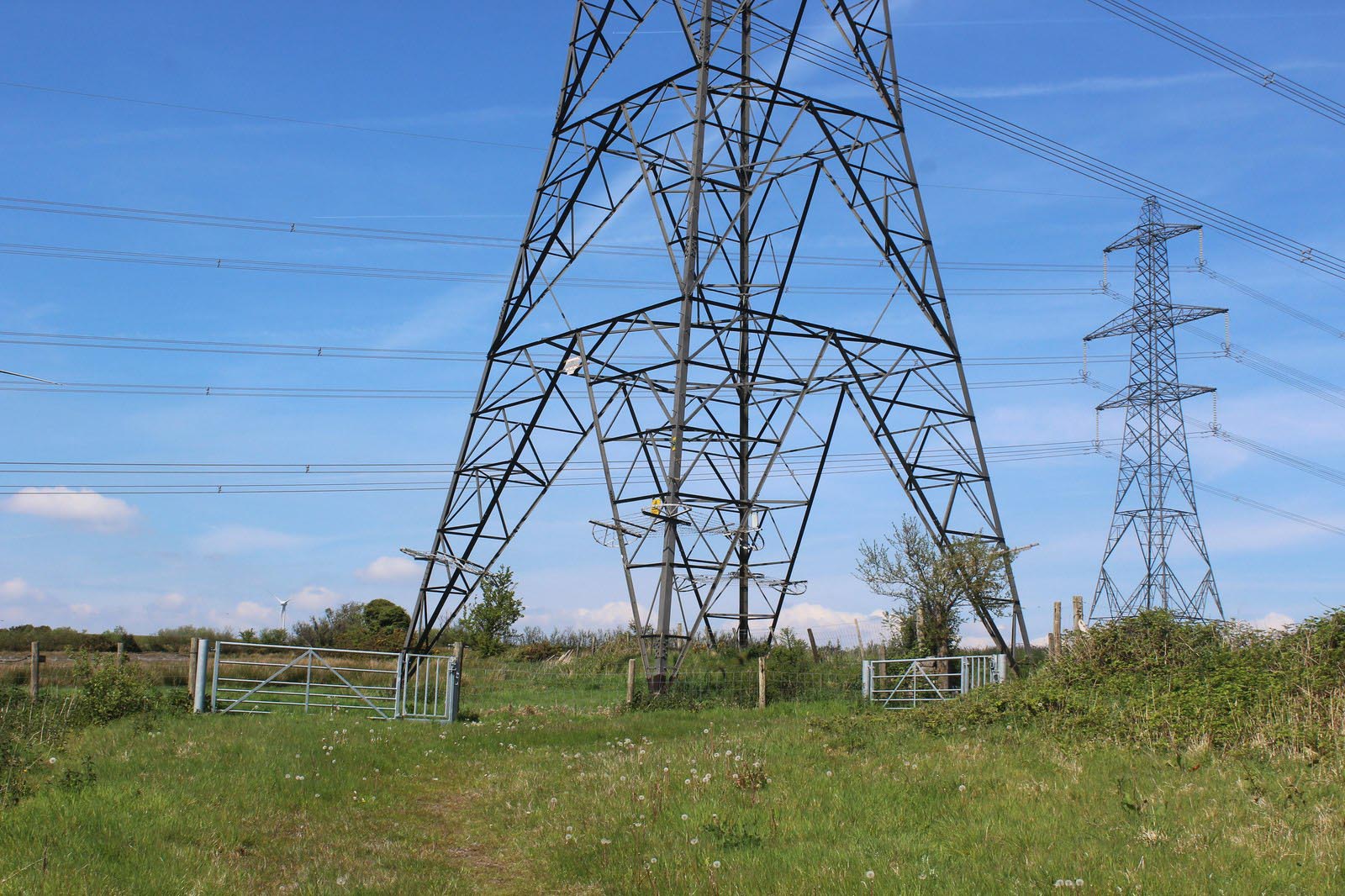
Public footpath, part of the Knight's Way medieval pilgrims route, near the Amroth Road, Pembrokeshire
© M J Roscoe CC-by-SA/2.0 licence
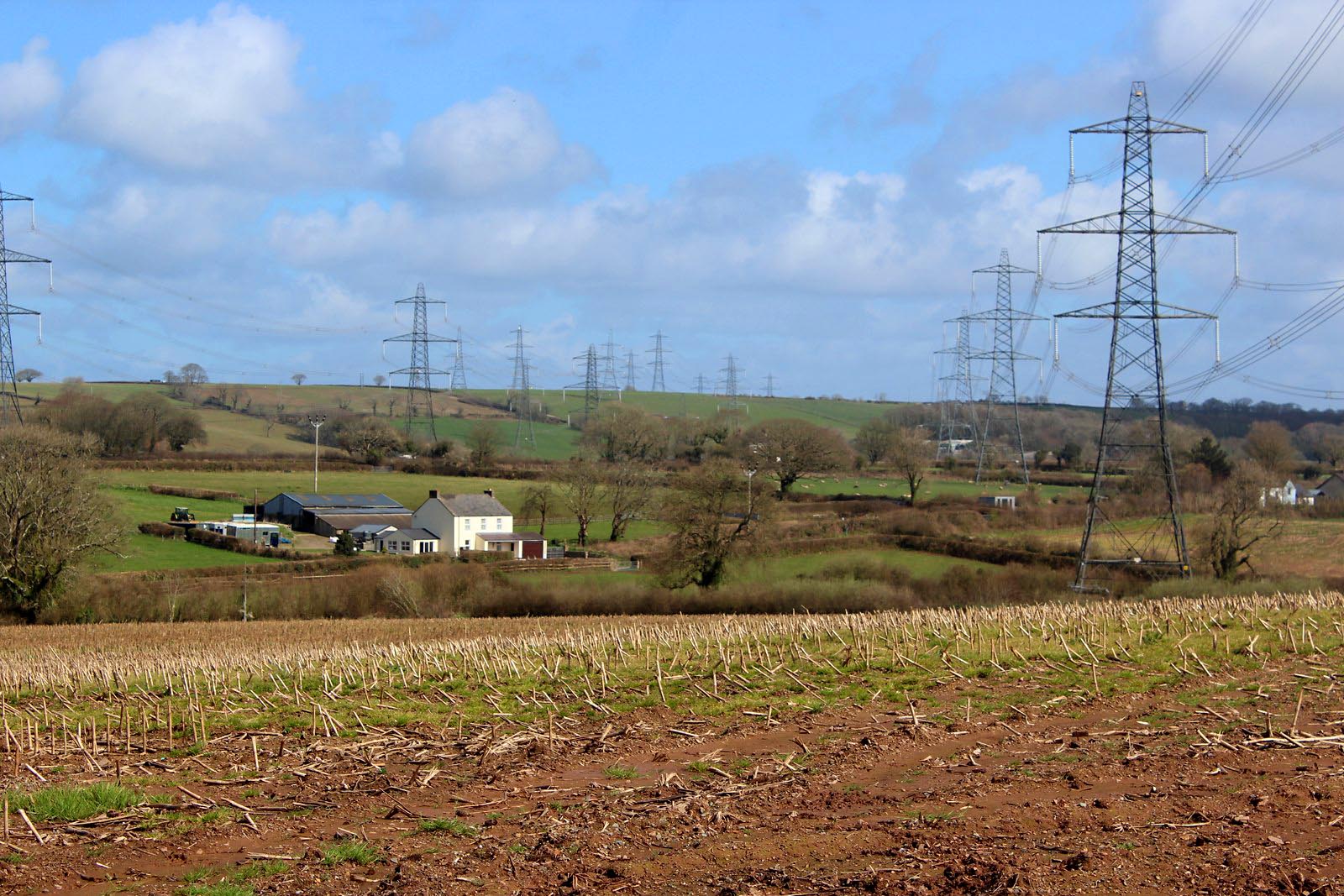
South Pembrokeshire
© M J Roscoe CC-by-SA/2.0
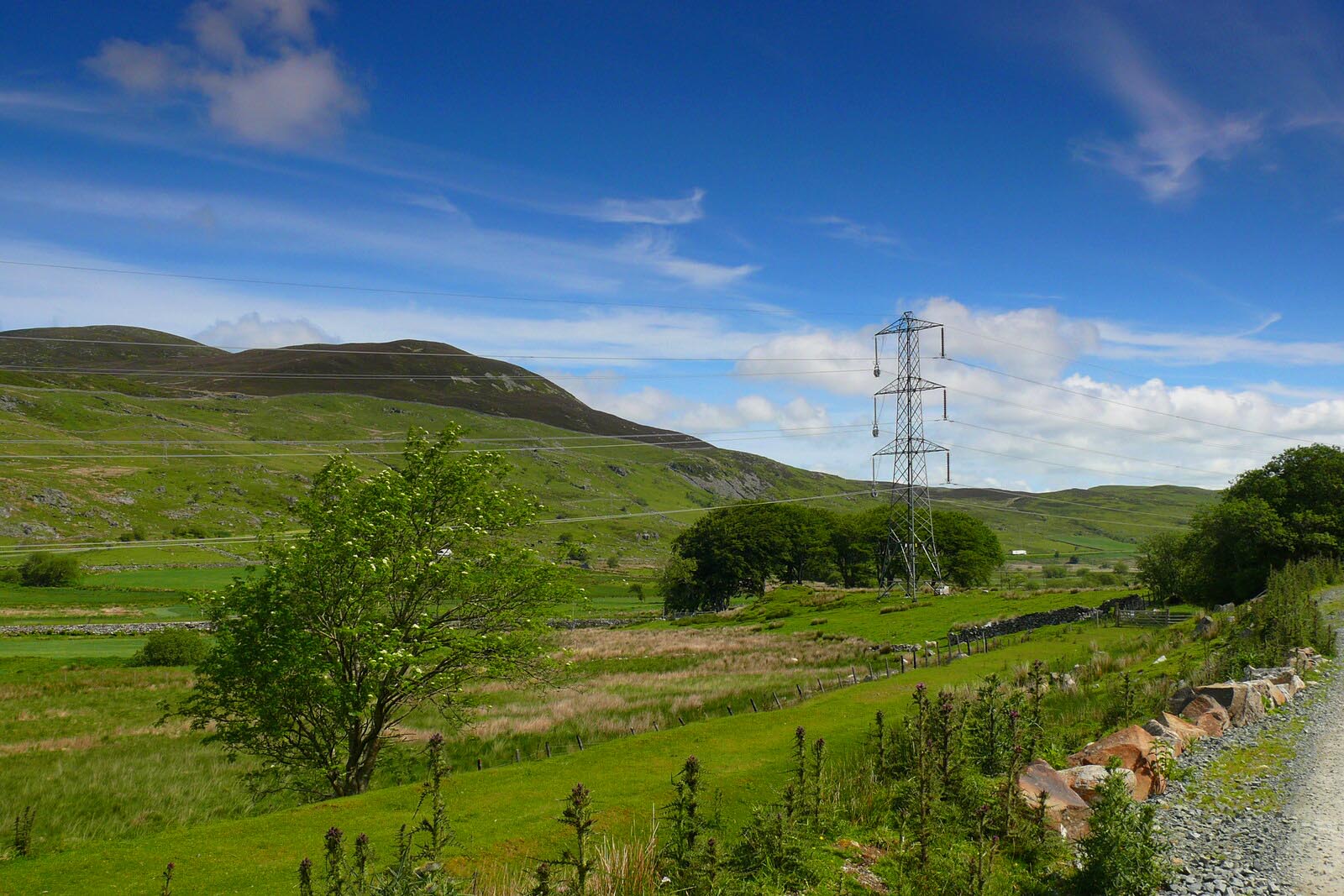
Near Arenig, Tryweryn valley, within the Eryri National Park
© Ian Medcalf CC-by-SA/2.0
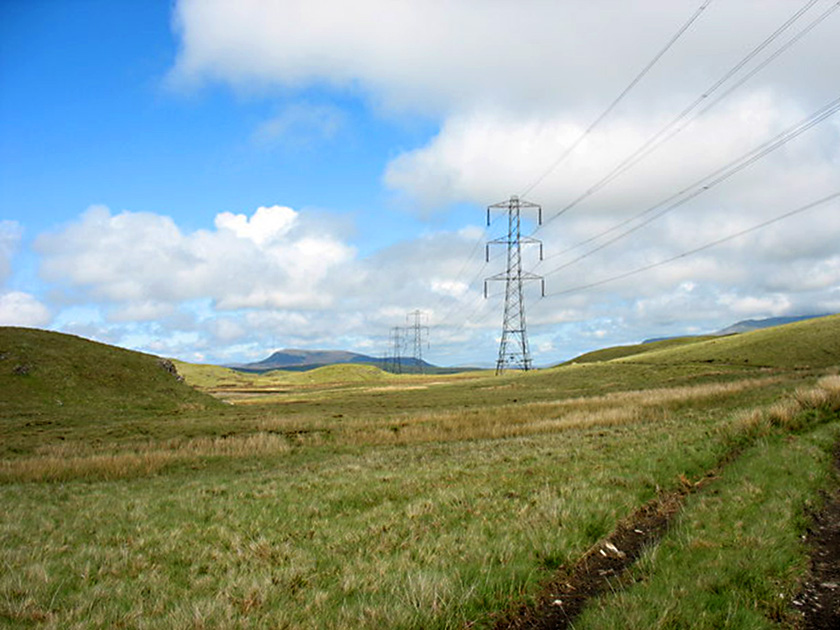
Bwlch y Llu, near Moel y Croessau, Eryri National Park
© Eric Jones CC-by-SA/2.0
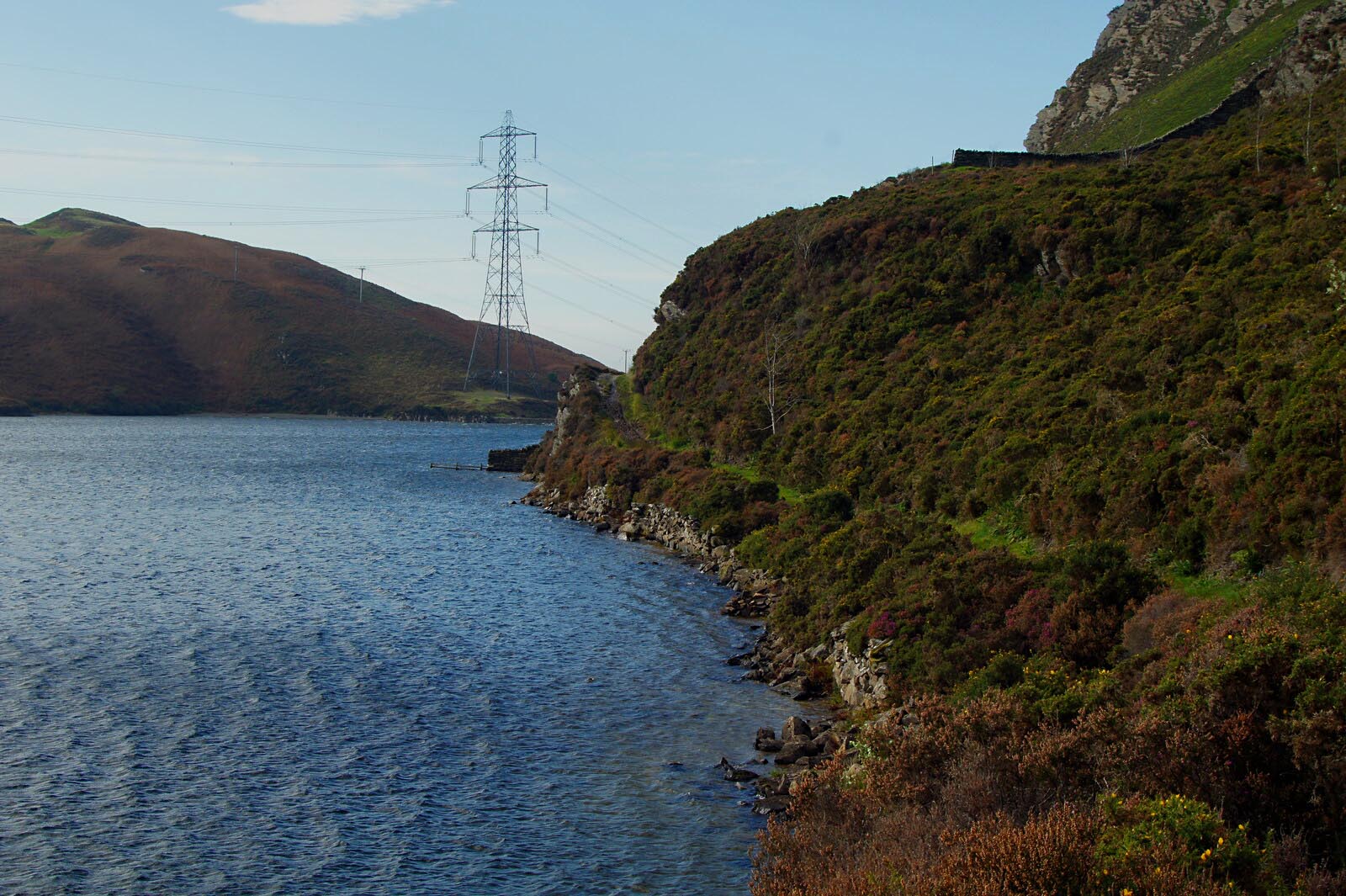
Llyn Tecwyn Uchaf, Eryri National Park
© Peter Trimming CC-by-SA/2.0
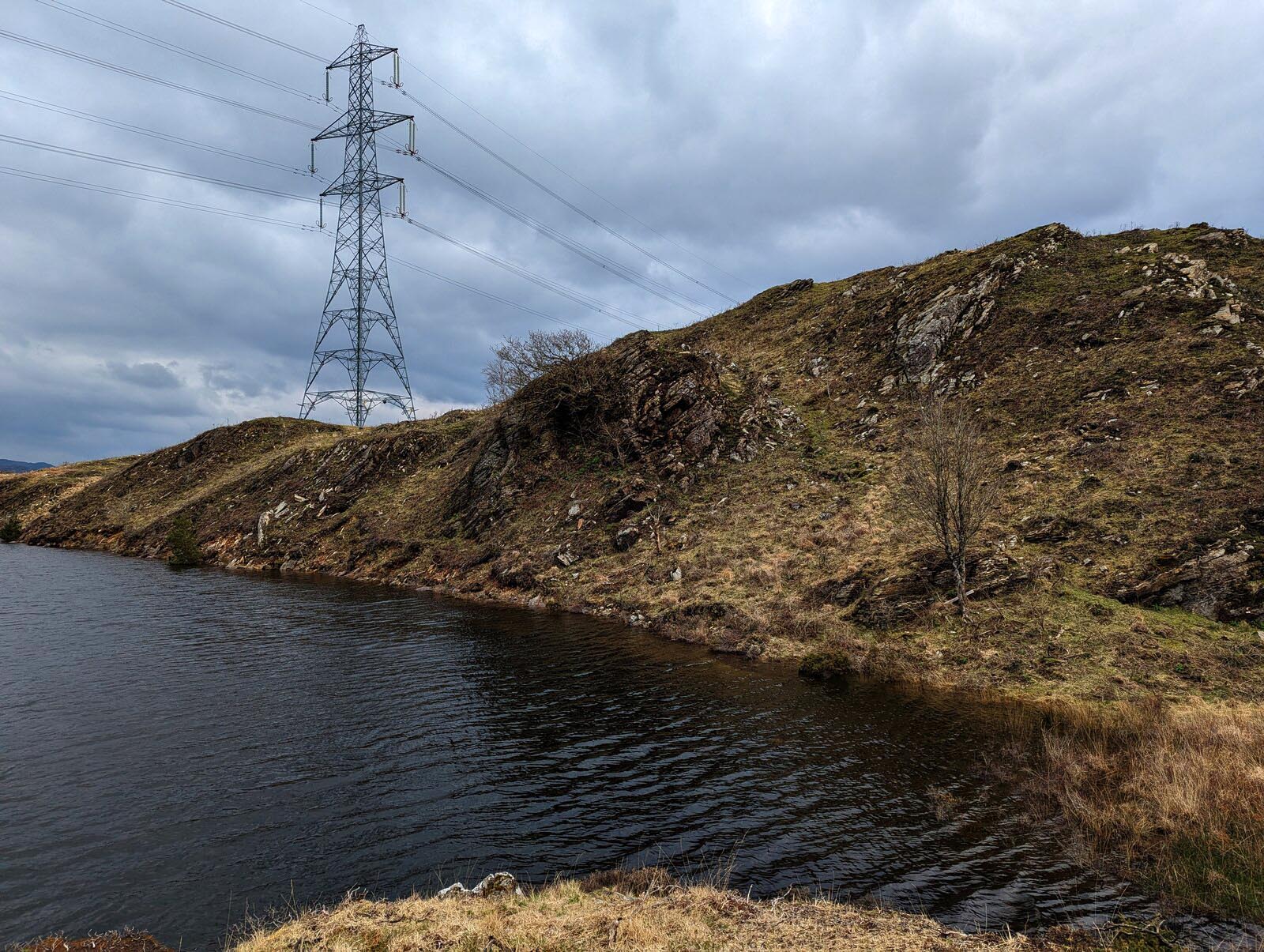
Above Llyn Tecwyn Uchaf, Eryri National Park
© David Medcalf CC-by-SA/2.0
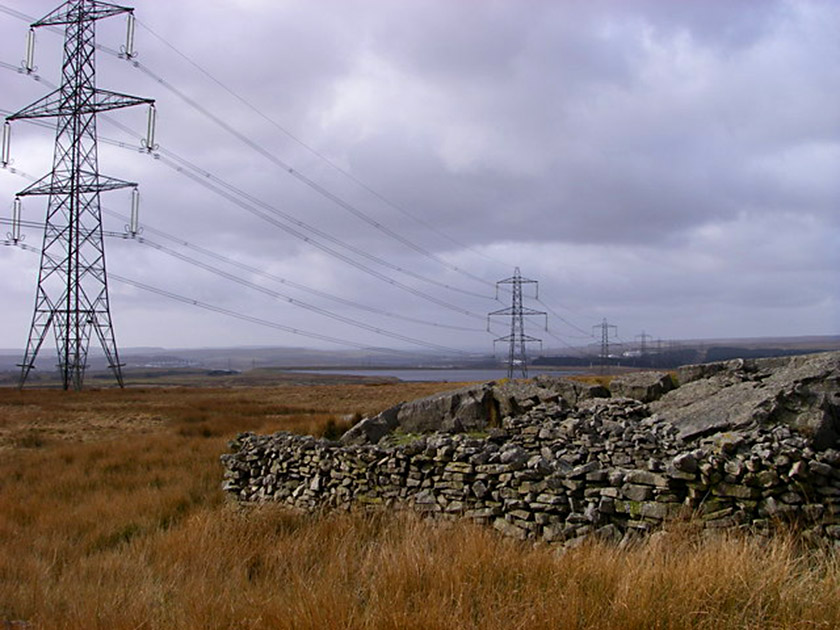
Clydach Terrace, Bannau Brycheiniog National Park
© Alan Bowring CC-by-SA/2.0
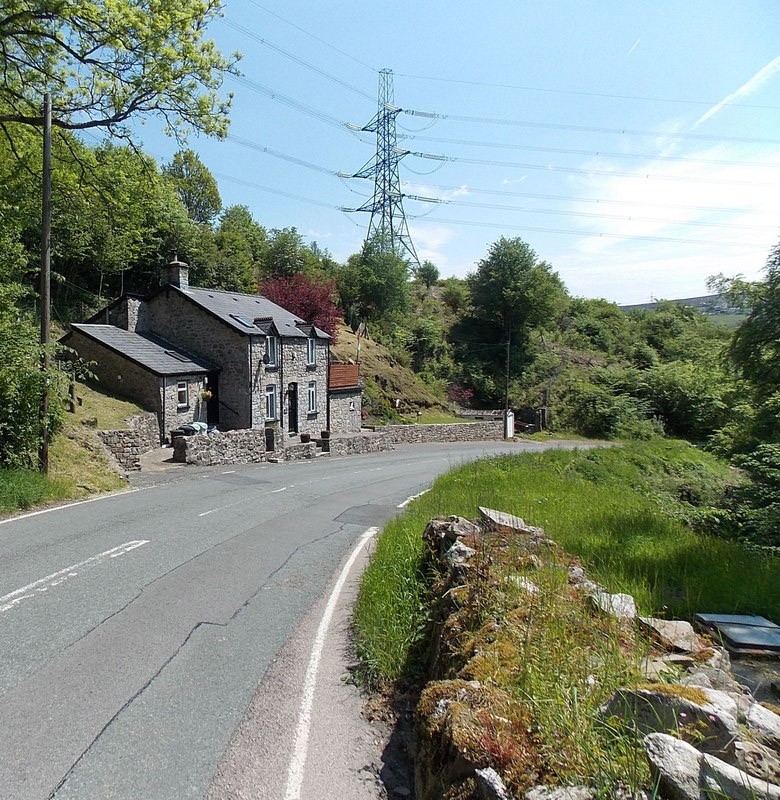
Blackrock, Bannau Brycheiniog National Park
© Jaggery CC-by-SA/2.0
References:
National Grid Electricity Transmission (NGET)
National Grid Transmission: Wales Future Network Blueprint (PDF)